
Moving to Austin, Texas
The live music capital of the world, a booming tech economy, and the gateway to the Texas Hill Country. Here is your complete guide to relocating to Austin.
What Is the Cost of Living in Austin?
Austin's cost of living is higher than the Texas average, driven largely by housing demand. The city has experienced significant growth over the past decade, attracting major tech employers and a wave of new residents from California and the Northeast. While home prices have risen, they remain below coastal metro levels.
Texas has no state income tax, which helps offset the higher housing costs. Utilities, groceries, and transportation are more affordable than in many comparable cities. Property taxes in Travis County are higher, but homestead exemptions and the lack of state income tax help balance the equation.
For those willing to live in the suburbs or Hill Country communities west of Austin, home prices become significantly more affordable. Areas like Dripping Springs, Bee Cave, Lakeway, and Kyle offer more square footage and land for the same price as a smaller home inside the city.
What Is the Austin Housing Market Like?
Austin's housing market is competitive but has cooled from the extreme highs of 2021-2022. The market offers everything from historic bungalows in neighborhoods like Hyde Park, Zilker, and Travis Heights to luxury high-rise condos downtown, family homes in Circle C and Mueller, and Hill Country estates in the western suburbs.
Inventory has improved, giving buyers more options and time to make informed decisions. The market varies significantly by price point and location. Homes under $500,000 in desirable central neighborhoods still sell quickly, while the luxury market offers more negotiating room.
With decades in the Central Texas market and a background in mortgage banking, I bring deep knowledge of Austin and its surrounding communities. Whether you are looking for an urban condo downtown, a family home in South Austin, or acreage in the Hill Country west of town, I can help you navigate the market with confidence.
What Is the Tech Industry Like in Austin?
Austin has earned its reputation as a major tech hub. Silicon Valley giants including Apple, Google, Meta, Amazon, and Tesla have significant operations here. The city is also home to a thriving startup ecosystem, with companies like Indeed, Bumble, and BigCommerce founded or headquartered in Austin.
The tech workforce has brought tremendous economic growth and diversity to the region. Remote and hybrid work arrangements have also made Austin a magnet for tech professionals who want to live in a vibrant city with outdoor access, even if their employer is based elsewhere.
This influx of tech talent has shaped Austin's housing market, dining scene, and culture. For those relocating for a tech job, I can help you find a home in neighborhoods with easy commutes to the major tech campuses in downtown, the Domain, and South Austin.
What Is the Live Music Scene Like in Austin?
Austin is the Live Music Capital of the World for good reason. The city has more live music venues per capita than any other U.S. city. From iconic venues like the Continental Club, Antone's, and ACL Live at the Moody Theater to smaller bars and clubs on Sixth Street, Red River, and South Congress, music is woven into the fabric of daily life.
Major festivals like Austin City Limits Music Festival, South by Southwest (SXSW), and the Austin Blues Festival draw artists and audiences from around the globe. But you don't need a festival pass to experience great music — any night of the week you can find live bands playing across town.
For music lovers relocating to Austin, the access to live performances is one of the city's greatest assets. And the Hill Country provides a peaceful retreat when you need a break from the energy of the city.
What Outdoor Recreation Does Austin Offer?
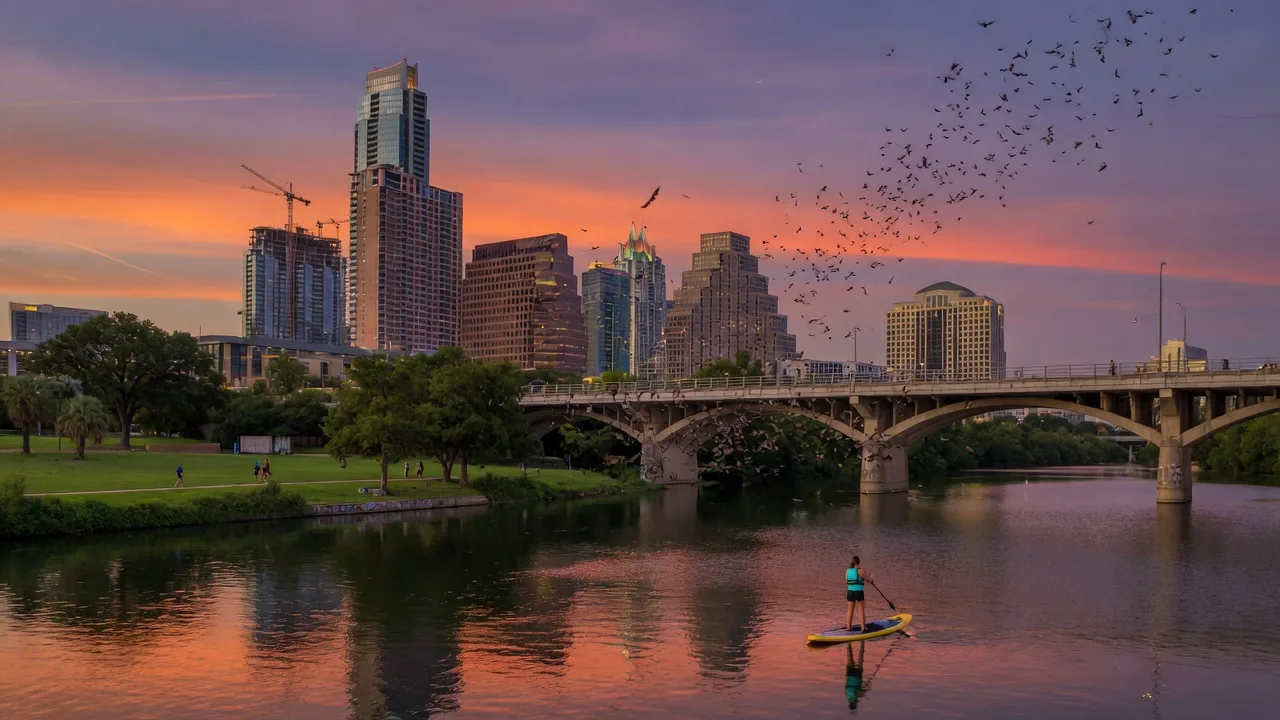
Austin is one of the most outdoor-oriented cities in Texas. The city's parks system, hike-and-bike trail around Lady Bird Lake, Barton Creek Greenbelt, and the many natural springs and swimming pools offer endless ways to stay active. Stand-up paddleboarding, kayaking, cycling, trail running, and rock climbing are part of everyday life here.
Lake Travis, located just 30 minutes west of downtown, is a major destination for boating, wakeboarding, fishing, and lakeside dining. The lake stretches over 60 miles with marinas, coves, and waterfront homes. Many of my clients choose to live on or near Lake Travis for the water recreation lifestyle.
For those who want the best of both worlds, the Hill Country communities west of Austin offer lake access, hiking trails, and Hill Country views while keeping you within 30-45 minutes of downtown. The combination of urban energy and outdoor access is what makes Austin unique among American cities.
How Close Is Austin to the Texas Hill Country?
Austin sits at the eastern edge of the Texas Hill Country, with the western parts of the city already in Hill Country terrain. Wimberley is about one hour south. Canyon Lake is 60-75 minutes south. The wine country around Fredericksburg is 90 minutes west.
For Austin residents, a weekend getaway to the Hill Country means a short drive. Many of my clients live in Austin and own weekend properties on Canyon Lake, the Blanco River, or in Wimberley. Others choose to move from Austin to the Hill Country full-time, seeking more space, lower home prices, and a quieter pace while staying within commuting distance of the city.
I have helped countless clients make exactly this transition. If you are considering a move from Austin to the Hill Country — or relocating to Austin and wondering which Hill Country suburbs offer the best value — I can provide the local insight you need.
Frequently Asked Questions About Moving to Austin
Is Austin a good place to raise a family?
Yes. Austin offers excellent schools, abundant parks and green space, family-friendly neighborhoods, and year-round outdoor activities. The city has a strong sense of community, excellent libraries, children's museums, and youth sports programs.
How far is Austin from the Hill Country?
The Hill Country begins at Austin's western edge. Wimberley is about one hour south, Canyon Lake is roughly 60-75 minutes south, and Fredericksburg is about 90 minutes west. Many Hill Country communities are within an easy day trip or weekend drive.
What is there to do in Austin?
Live music every night, the hike-and-bike trail around Lady Bird Lake, Barton Springs Pool, Zilker Park, the Domain shopping district, South Congress Avenue, food trucks, award-winning restaurants, major festivals like ACL and SXSW, and professional sports including the Spurs and FC Dallas.
What are the best neighborhoods in Austin?
Popular neighborhoods include Zilker, Hyde Park, Mueller, South Congress (SoCo), Travis Heights, East Austin, Circle C, and the Domain area. The western suburbs like Lakeway, Bee Cave, and Dripping Springs offer more space and Hill Country views.
Is Austin expensive to live in?
Austin is more expensive than other Texas cities but remains affordable compared to coastal tech hubs like San Francisco, Los Angeles, or New York. Housing is the biggest cost, but the lack of state income tax helps offset expenses. Suburban and Hill Country options offer better value.
Explore Other Relocation Guides
Not sure Austin is right for you? Compare these popular Hill Country communities.
Ready to Make the Move to Austin?
I have served buyers and sellers across Central Texas throughout my career. Let me help you find the right property and navigate your relocation to Austin and the Hill Country.